PLAS API · Public Library API Specification
Library data behind one shared standard
Digital library services should be built across systems and data sources — without every service building and maintaining integrations of its own.
The reference
Two entry points, one shared specification
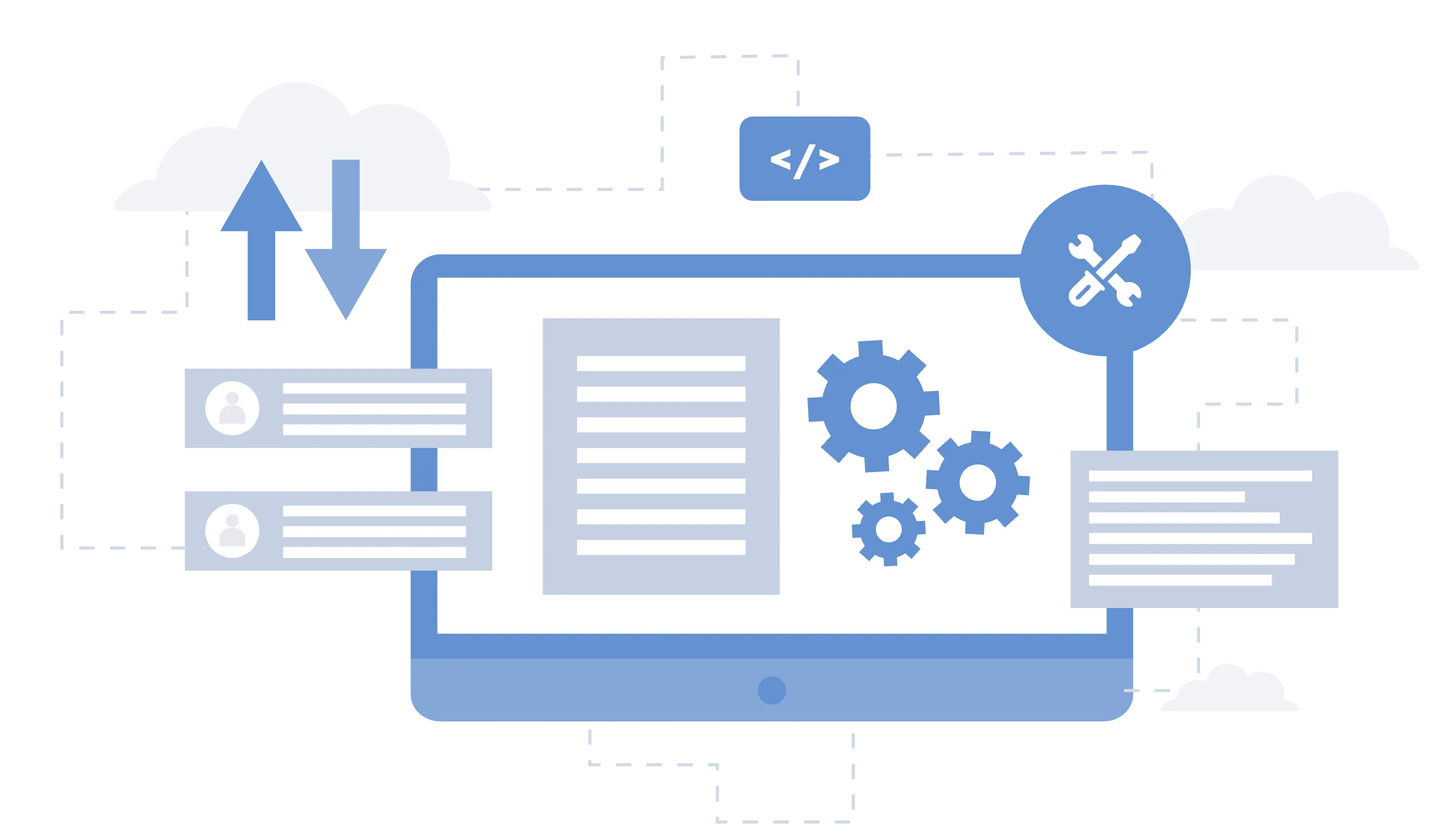
The Provider API is what the library system exposes. The Vendor API is the other direction — what the product exposes back. Search and Content are profiles of Provider that can be implemented on their own.
-

The specification
REST and JSON with a machine-readable description
Bibliofil, Cicero or Koha can each keep their own technical foundation underneath — while the application on top meets the same interface.
-
Machine-readable
The reference here is generated straight from the OpenAPI files — what you read is what the specification says.
-
Versioned
A library can write one specific version into a tender, and the client sends it along on every call.
-
-

The domains
Eight areas, rolled out one at a time
Search, bibliographic data, holdings, patron data, circulation, interlibrary loan, digital media, and shared services such as identity, single sign-on and payment.
-
Self-contained
Two entry points and two profiles, each divided into groups with their own operations, parameters and responses.
-
At its own pace
A library system implements the domains when it makes sense, and the version table shows what is in production.
-
-

Getting started
Open documentation and a transparent process
PLAS begins with the most important shared functionality and grows from there — at the pace libraries need.
-
Freely available
Base URL, authentication and the first call — everything you need before calling a library system.
-
Needs before roadmap
The standard grows as libraries and vendors bring new needs, not to a schedule set in advance.
-


Who does what
Libraries
Contribute needs and examples from everyday work.
System vendors
Implement the specification and help shape it.
Data providers
Make their data and services available through the standard.
Developers
Build new services on top and propose improvements.
What the standard gives you
One standard, six concrete gains
Today, library systems, metadata, search, digital media, events, identity and payment each come with their own integration interface. PLAS brings that access together — and it changes daily work for libraries and vendors alike.

Join PLAS
A standard grows strong when many people use it
PLAS should be built by the sector, for the sector — not by a single vendor.
Among the libraries Redia works with today